Why My Yoga and Meditation Routine Almost Backfired — And How I Fixed It
I started yoga and meditation to feel calmer and stay healthy, but at first, things went sideways. I felt sore, frustrated, and even more stressed. Turns out, I was doing it all wrong — pushing too hard, ignoring my body’s signals, and treating it like a workout, not a practice. After learning from real mistakes and tuning into traditional wisdom, especially from Chinese wellness principles, I found a balanced way that actually prevents burnout and boosts resilience. This is what I wish I knew from the start.
The Hidden Pitfalls of Popular Yoga and Meditation Trends
Many people begin yoga and meditation with high hopes: less stress, better sleep, more energy. Yet for some, including myself at first, the experience brings unexpected discomfort instead of relief. The root of the problem often lies not in the practices themselves, but in how they are approached. Modern wellness culture tends to promote yoga and meditation as quick fixes — something to check off a self-care list or perfect like a fitness goal. This mindset can turn mindful movement into a performance and meditation into a mental race, both of which contradict their true purpose.
One of the most common errors is over-practicing. I once committed to 60-minute yoga sessions every morning, believing more was better. Within days, my shoulders ached and my lower back tightened. I didn’t realize I was treating my body like a machine that needed daily tuning, rather than a living system that requires rest and rhythm. Similarly, I tried meditating for 30 minutes straight, frustrated every time thoughts drifted. I equated mental stillness with success, not understanding that awareness, not control, is the real aim.
Traditional Chinese 养生 (yangsheng), or life-nourishing practices, offer a different perspective. Rather than striving or pushing, yangsheng emphasizes balance, moderation, and harmony with natural cycles. It teaches that health is not achieved through force, but through consistent, gentle attention. When I shifted from a results-driven mindset to one of presence and patience, my relationship with yoga and meditation began to heal. The practices stopped feeling like chores and started becoming sources of comfort and stability.
How Ignoring Your Body Type Leads to Burnout
One of the most eye-opening discoveries in my journey was realizing that not all bodies thrive under the same routine. In Western fitness culture, there’s often a one-size-fits-all approach: more intensity, more flexibility, more discipline. But according to Chinese constitutional theory, individuals fall into different energetic patterns — broadly categorized as Yin-dominant or Yang-dominant types — each with distinct physical and emotional tendencies. Ignoring these differences can lead to fatigue, injury, and emotional imbalance, especially when practicing yoga and meditation.
Yin-dominant individuals tend to be more grounded, reflective, and physically cooler. They may have slower metabolisms and benefit from gentle, warming practices. Yang-dominant people are often energetic, fast-moving, and prone to overheating. They may need calming, grounding techniques to balance their natural fire. When I first started, I followed high-energy Vinyasa classes daily, believing they would “wake me up.” But as a naturally Yin-leaning person, this routine drained me. Instead of feeling energized, I felt scattered and emotionally flat.
My body responded with persistent joint soreness and low motivation — clear signs I was depleting my energy rather than cultivating it. Once I learned about constitutional balance, I adjusted my practice. I replaced intense flows with slower forms like Yin Yoga and restorative stretches, especially in the evenings. I also began incorporating seated practices that emphasized stillness over movement. These small shifts brought noticeable improvements: better sleep, steadier moods, and a deeper sense of physical ease. Recognizing my body type didn’t mean giving up progress — it meant progressing in a way that honored my nature.
The Problem with Treating Meditation Like a Performance
For months, I approached meditation as if I were training for a mental marathon. My goal was to sit still, breathe evenly, and clear my mind completely. When thoughts arose — which they always did — I saw them as failures. I would tense up, frustrated that I couldn’t achieve the silent, peaceful state I imagined was necessary. This pressure only amplified my anxiety, turning what should have been a calming practice into a source of stress.
The turning point came when I studied traditional Chinese qigong and mindfulness approaches. Unlike modern performance-based meditation, these practices do not aim to suppress thoughts or force stillness. Instead, they encourage soft listening — a gentle, nonjudgmental awareness of breath, body sensations, and sounds. The goal is not control, but presence. In qigong, the mind is likened to water: when stirred, it becomes cloudy, but when left undisturbed, it naturally settles. Trying to force clarity only stirs it further.
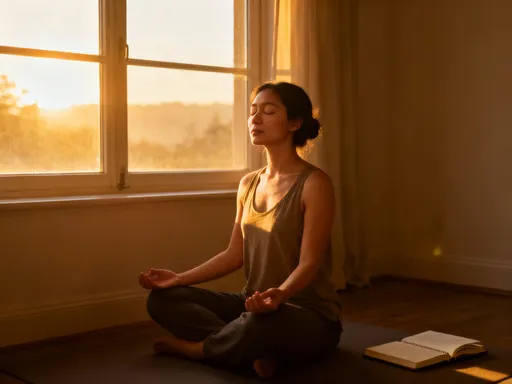
I began to shift my approach. Instead of fighting thoughts, I allowed them to come and go like passing clouds. I focused on the rhythm of my breath, not to control it, but to observe it. Over time, this subtle change transformed my experience. Meditation became less about achieving a state and more about returning to myself. My mind didn’t become silent overnight, but it grew quieter, more spacious. I stopped dreading my sessions and started looking forward to them. The practice became less about performance and more about peace.
Why Timing Matters: Aligning Practice with Natural Rhythms
I used to meditate right before bed, hoping it would help me fall asleep. But more often than not, I found myself wide awake an hour later, my mind unusually alert. At first, I blamed myself — maybe I wasn’t doing it right, or my thoughts were too active. It wasn’t until I explored the principles of traditional Chinese medicine (TCM) that I understood the real issue: timing. According to TCM, the body follows a 24-hour energy cycle, with each organ system receiving peak energy during a two-hour window. Disrupting this flow can affect sleep, digestion, and emotional balance.
For example, the liver’s energy peaks between 1 a.m. and 3 a.m., making it crucial to be in deep rest during this time for detoxification and emotional regulation. The heart, associated with mental clarity and joy, is most active between 11 a.m. and 1 p.m. But perhaps most relevant to meditation is the lung meridian, which governs Qi (vital energy) and grief, and is strongest between 3 a.m. and 5 a.m. This early morning window is considered ideal for breathwork and quiet reflection, as the mind is naturally calm and the body is transitioning from rest to activity.
When I shifted my meditation to 20 minutes at sunrise, I noticed a dramatic difference. My mind felt clearer, my breath deeper, and my energy more stable throughout the day. Evening practices, on the other hand, became gentler — light stretching or Daoist breath exercises to help me wind down. By aligning my routine with these natural rhythms, I stopped fighting my body and started working with it. The result was better sleep, improved digestion, and a more balanced emotional state. Timing, I learned, is not just practical — it’s preventive.
Overlooking Warm-Ups and Cool-Downs: A Recipe for Injury
Like many beginners, I used to roll out my mat and jump straight into deep stretches — forward folds, hip openers, deep twists — without any preparation. I thought yoga was about flexibility, so I pushed into poses until I felt a “good stretch.” What I didn’t realize was that cold muscles and stiff joints are prone to strain. Within weeks, I developed tight hamstrings and a nagging ache in my lower back. I was puzzled — wasn’t yoga supposed to make me feel better?
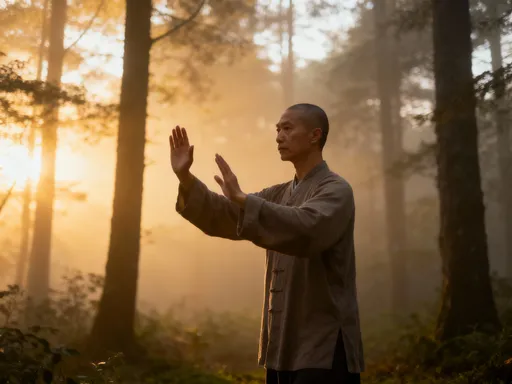
The answer came from studying traditional Chinese movement arts like Tai Chi and Dao Yin. These practices emphasize gradual preparation: warming the body slowly, lubricating the joints, and calming the breath before any deeper work. In Dao Yin, for instance, practitioners begin with gentle joint rotations, tendon stretches, and coordinated breathing — a process that activates circulation and prepares the body for movement. This concept, known as “opening the channels,” ensures that Qi and blood flow smoothly, reducing the risk of injury.
I incorporated just five minutes of warm-up into my routine: neck rolls, shoulder circles, wrist and ankle rotations, and slow spinal waves. I followed each session with an equal amount of cool-down — lying in constructive rest, focusing on deep diaphragmatic breathing. The change was remarkable. Within three weeks, my back pain faded, and my flexibility improved without force. I learned that preparation is not a luxury — it’s a foundation. Just as a garden needs tilling before planting, the body needs warming before stretching. Small investments in care yield long-term rewards in comfort and resilience.
The Missing Link: Integrating Breath, Intention, and Environment
For a long time, I treated yoga as a series of poses and meditation as sitting quietly. I moved through sun salutations without paying attention to my breath, and I meditated in noisy, cluttered spaces. The practices felt hollow, like going through the motions. It wasn’t until I learned about the integrative nature of mind-body traditions that I understood what was missing: the connection between breath, intention, and environment.
In Chinese wellness philosophy, breath is the bridge between body and spirit. The way we breathe directly influences our nervous system, mood, and energy levels. I began practicing slow, nasal breathing — inhaling for four counts, exhaling for six — during both movement and stillness. This simple shift activated my parasympathetic nervous system, slowing my heart rate and reducing muscle tension. I noticed I felt calmer not just during practice, but throughout the day.
Equally important was setting intention. Before each session, I took a moment to ask: What do I need today? Rest? Clarity? Strength? This brief pause helped me tailor my practice to my current state, rather than following a rigid routine. I also began to care for my practice space. I cleared a quiet corner, added a plant, and used soft lighting or natural sunlight. Sometimes, I played gentle instrumental music or listened to nature sounds. These small changes transformed my mat into a sanctuary — a place of safety and renewal. When breath, intention, and environment align, the practice becomes more than exercise; it becomes a form of self-respect.
Building a Sustainable, Personalized Routine for Long-Term Health
Today, my yoga and meditation practice looks nothing like it did at the beginning. It’s no longer about pushing limits or checking boxes. Instead, it’s a flexible, responsive routine that changes with my energy, the season, and the time of day. Mornings might include ten minutes of qigong breathing and gentle stretching to awaken my body. Afternoons could involve a short walking meditation or mindful breathing at my desk. Evenings are for stillness — a few minutes of seated reflection or restorative poses to support digestion and sleep.
The key to sustainability has been consistency over intensity. I’ve learned that five mindful minutes a day are more beneficial than one hour done once a week. I listen to my body more and compare myself less. Some days, I need movement; other days, stillness. Some weeks, I feel strong; others, I need rest. By honoring these fluctuations, I’ve built resilience — not just physical, but emotional and mental.
This balanced approach supports long-term health by reducing chronic stress, improving circulation, and strengthening immune function. It’s not about perfection, but about presence. Rooted in traditional wisdom and adapted to modern life, my practice has become a true form of disease prevention — a daily commitment to well-being that nourishes body, mind, and spirit. And that, I’ve learned, is the real promise of yoga and meditation.