What Science Says About Real Postpartum Recovery
Postpartum recovery isn’t just about bouncing back—it’s about healing right. I remember feeling overwhelmed, thinking I should “snap back” instantly. But science shows that real recovery takes time, care, and the right knowledge. From hormonal shifts to pelvic floor changes, your body goes through massive adjustments. Understanding these changes isn’t just comforting—it’s empowering. Let’s explore what actually works, backed by research, not myths.
The Hidden Reality of Postpartum Healing
After childbirth, the body enters a profound period of physiological transformation. This phase, often underestimated, is not simply a return to pre-pregnancy conditions but a complex recalibration involving multiple organ systems. The uterus, which can weigh nearly two pounds at full term, gradually shrinks back to its original size through a process called involution, typically completing within six weeks. During this time, the endometrial lining regenerates, and blood vessels constrict to minimize bleeding. However, internal healing progresses at a different pace than outward appearance, leading many women to mistakenly believe they are recovering “normally” when key systems remain vulnerable.
Hormonal fluctuations play a central role in postpartum adaptation. Levels of estrogen and progesterone, which soar during pregnancy, plummet within days after delivery. This sharp decline supports milk production but also contributes to mood shifts, fatigue, and joint laxity. Oxytocin, often celebrated as the “bonding hormone,” rises during breastfeeding and aids uterine contractions, yet its fluctuating presence can influence emotional stability. These biochemical shifts are not anomalies—they are natural components of recovery. Viewing them as such helps women interpret symptoms like mood swings or night sweats not as personal failures but as biological signals.
A common misconception is that visible weight loss equates to full recovery. In reality, physical readiness cannot be judged by clothing size or mirror reflection. Core integrity, pelvic alignment, and metabolic function require time and mindful attention. Many women resume intense exercise too soon, unaware that connective tissue remains weakened due to elevated relaxin levels, a hormone that loosens ligaments during pregnancy and may persist for up to five months postpartum. Without proper awareness, premature exertion increases the risk of injury, including pelvic floor dysfunction and abdominal separation.
Scientific consensus emphasizes that postpartum healing is systemic, not superficial. It involves cardiovascular readjustment, immune modulation, and neurological reorganization. For example, blood volume, which increases by 40–50% during pregnancy, must normalize gradually. Rapid physical demands before this stabilization occurs can strain the heart and circulatory system. Recognizing that healing begins beneath the surface fosters patience and informed decision-making, allowing women to prioritize long-term health over short-term aesthetics.
Why the Body Needs Time: A Scientific Perspective
At the cellular level, postpartum recovery is a meticulous process of repair and regeneration. Tissues stretched during pregnancy—particularly the abdominal wall and pelvic floor—require time to regain structural integrity. Collagen, the primary protein responsible for tissue strength and elasticity, rebuilds slowly. Studies show that collagen turnover in overstretched connective tissue can take several months, especially in cases of diastasis recti, where the rectus abdominis muscles separate during pregnancy. Rushing into strenuous activity before this repair is underway can exacerbate the condition, leading to chronic core instability.
The pelvic floor, a group of muscles supporting the bladder, uterus, and bowels, undergoes significant strain during childbirth. Whether delivery is vaginal or cesarean, these muscles often experience neurologic disruption and mechanical stress. Research published in the American Journal of Obstetrics & Gynecology indicates that up to 35% of women experience some degree of pelvic floor muscle weakness postpartum, increasing the risk of urinary incontinence and organ prolapse. Healing occurs through neuromuscular re-education—a process by which the brain relearns how to activate and coordinate these muscles effectively. This is not an automatic function; it requires deliberate engagement and time.
Inflammation, often perceived as undesirable, is actually a necessary component of tissue healing. After birth, localized inflammation helps clear cellular debris and initiate repair mechanisms. Suppressing this response—through excessive use of anti-inflammatory medications or aggressive physical activity—can interfere with natural recovery. For instance, early high-impact exercise may increase intra-abdominal pressure, disrupting the healing of perineal tears or cesarean incisions. The body’s inflammatory signals, such as swelling or tenderness, should be respected as indicators of ongoing repair rather than signs of failure.
Peer-reviewed studies highlight that tissue elasticity does not return to baseline immediately. A 2020 study in the Journal of Women’s Health Physical Therapy found that abdominal muscle function remained compromised in over half of postpartum participants at six months, even among those who reported feeling “recovered.” This disconnect between subjective perception and objective function underscores the importance of evidence-based timelines. Healing is not linear, and setbacks are part of the process. By aligning expectations with biological reality, women can avoid preventable complications and support sustainable recovery.
The Role of Nutrition in Cellular Regeneration
Nutrition serves as the foundation for postpartum tissue repair and energy restoration. The body’s metabolic demands remain elevated after childbirth, especially for those who are breastfeeding. Lactation alone can require an additional 300–500 calories per day, primarily to support milk production. These calories must be nutrient-dense, not empty, to fuel cellular regeneration. Protein is particularly crucial, as it provides the amino acids needed to rebuild muscle, skin, and connective tissue. Lean meats, legumes, eggs, and dairy are excellent sources that support collagen synthesis and immune function.
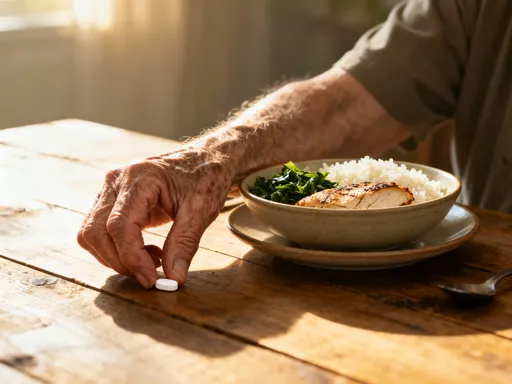
Iron is another vital nutrient, especially for women who experienced significant blood loss during delivery. Postpartum anemia affects approximately 20% of new mothers and can lead to fatigue, dizziness, and impaired cognitive function. Replenishing iron stores through dietary sources like spinach, lentils, red meat, and fortified grains helps restore hemoglobin levels and supports oxygen transport throughout the body. Pairing iron-rich foods with vitamin C sources—such as citrus fruits or bell peppers—enhances absorption, making meal combinations strategically important.
Omega-3 fatty acids, found in fatty fish, flaxseeds, and walnuts, play a key role in reducing inflammation and supporting brain health. These fats contribute to the structural integrity of cell membranes and have been linked to improved mood regulation. Given the hormonal volatility of the postpartum period, maintaining adequate omega-3 intake may help buffer against emotional fluctuations. Similarly, vitamin D, often obtained through sunlight and fortified foods, supports immune function and bone health, both of which are critical during recovery.
Restricting calories too early can disrupt healing. The body interprets severe caloric deficit as a state of stress, triggering hormonal responses that slow metabolism and prioritize survival over repair. This can delay tissue regeneration, reduce milk supply in breastfeeding mothers, and increase fatigue. Rather than focusing on weight loss, the immediate postpartum period should emphasize nourishment. Balanced meals with complex carbohydrates, healthy fats, and high-quality protein provide sustained energy and support hormonal balance. Hydration is equally essential—drinking enough water aids digestion, circulation, and milk production, making it a non-negotiable component of recovery.
Movement That Supports, Not Strains
Physical activity after childbirth must be approached with scientific precision. The goal is not to burn calories but to restore function. In the first few weeks, gentle movements such as pelvic tilts, diaphragmatic breathing, and ankle pumps help improve circulation, reduce swelling, and reestablish neuromuscular connections. These low-impact exercises encourage lymphatic drainage and prevent blood clots without placing strain on healing tissues. They also serve as a bridge between complete rest and structured movement, allowing the body to adapt gradually.
Core reactivation is a critical yet often misunderstood aspect of postpartum fitness. Traditional abdominal exercises like crunches can increase intra-abdominal pressure and worsen diastasis recti. Instead, research supports the use of transverse abdominis engagement through techniques such as abdominal drawing-in maneuvers. These exercises focus on deep core stabilization rather than surface muscle contraction. When performed correctly, they help retrain the inner abdominal wall to support the spine and pelvis, laying the groundwork for safe progression.
By weeks six to eight, many women may begin walking, a low-impact activity proven to enhance cardiovascular health and mood. A study in the Journal of Physical Activity and Health found that postpartum women who walked regularly reported lower fatigue levels and improved sleep quality. As strength improves, activities like modified squats, glute bridges, and supported planks can be introduced—provided there are no signs of pelvic floor dysfunction. Each new movement should be evaluated for symptoms such as pelvic pressure, urinary leakage, or coning in the abdomen, which indicate that the body is not yet ready.
The concept of “listening to your body” is not merely intuitive advice—it is rooted in physiology. Pain, discomfort, and unusual sensations are neurological signals indicating tissue vulnerability. Ignoring them can lead to long-term dysfunction. Evidence-based guidelines recommend delaying high-intensity interval training, heavy lifting, and running until at least three to six months postpartum, and only after clearance from a healthcare provider. A gradual, individualized approach ensures that movement supports recovery rather than undermining it.
Sleep, Stress, and Hormonal Balance
Sleep disruption is nearly universal in the postpartum period, yet its impact on healing is often overlooked. Fragmented sleep affects cortisol regulation, the body’s primary stress hormone. Elevated cortisol levels over time can impair tissue repair, suppress immune function, and contribute to mood disturbances. Research from the National Institutes of Health shows that postpartum women who average less than five hours of sleep per night are at higher risk for persistent fatigue and emotional dysregulation. While newborn care makes uninterrupted sleep rare, strategic rest—such as napping when the baby sleeps—can mitigate some of these effects.
Chronic stress, whether from sleep deprivation, caregiving demands, or social pressure, activates the sympathetic nervous system, shifting the body into “fight-or-flight” mode. In this state, resources are diverted away from repair and digestion toward immediate survival functions. This physiological shift can delay wound healing, reduce milk production, and exacerbate inflammation. Therefore, managing stress is not a luxury—it is a biological necessity for recovery.
Neuroscience-informed strategies can help regulate the nervous system. Rhythmic breathing, for example, activates the vagus nerve, which promotes relaxation and lowers heart rate. Simple techniques like inhaling for four counts and exhaling for six can be practiced multiple times a day, even while holding a baby. Mindful moments—focusing on the breath, a soothing sound, or the sensation of skin-to-skin contact—also help reset the nervous system. These practices do not require large time commitments but can significantly influence hormonal balance.
Structured rest, including delegating tasks and setting boundaries, supports both physical and emotional well-being. Asking for help with household chores or meal preparation allows for more recovery time. Even short periods of quiet—sitting without stimulation, closing the eyes, or listening to calming music—can reduce cortisol levels and improve resilience. Recognizing that rest is an active part of healing, not idleness, empowers women to prioritize self-care without guilt.
When to Seek Professional Guidance
While self-care is essential, it does not replace medical evaluation. Certain symptoms warrant prompt consultation with a healthcare provider. Prolonged or heavy vaginal bleeding—soaking more than one pad per hour for several hours—can indicate retained placental tissue or hemorrhage and requires immediate attention. Severe abdominal or incisional pain, especially when accompanied by fever or redness, may signal infection and should not be ignored.
Signs of pelvic organ prolapse, such as a sensation of heaviness or bulging in the pelvis, difficulty emptying the bladder, or recurrent urinary tract infections, also require professional assessment. A pelvic floor physical therapist can evaluate muscle strength, coordination, and connective tissue support, offering targeted interventions to prevent progression. These specialists use internal and external assessments to create personalized rehabilitation plans, often incorporating biofeedback and manual therapy.
Postpartum check-ups, typically scheduled around six weeks, are crucial for monitoring recovery progress. However, many women receive only a basic examination without a comprehensive pelvic floor or core assessment. Advocating for a thorough evaluation—including discussion of bowel and bladder function, sexual comfort, and physical symptoms—ensures that underlying issues are not overlooked. Early intervention can prevent minor concerns from becoming chronic conditions.
Mental health is equally important. While mild mood fluctuations are common, persistent sadness, anxiety, or thoughts of harm require immediate support. Postpartum mood and anxiety disorders affect approximately 15% of new mothers and are treatable with counseling, therapy, and, when necessary, medication under medical supervision. Seeking help is a sign of strength, not weakness, and ensures both mother and baby thrive.
Building a Sustainable Recovery Mindset
Recovery extends beyond the physical—it is deeply psychological. Societal messages often portray postpartum as a brief interlude before returning to “normal” life, creating unrealistic expectations. Images of celebrities “bouncing back” within weeks contribute to feelings of inadequacy. However, behavioral science shows that setting unrealistic goals leads to frustration, decreased motivation, and higher rates of abandonment. In contrast, establishing small, achievable milestones—such as walking for ten minutes or practicing deep breathing daily—builds confidence and fosters long-term adherence.
Self-compassion is a powerful tool in postpartum recovery. Research in the journal Mindfulness demonstrates that women who practice self-kindness report lower stress levels and greater emotional resilience. This means acknowledging fatigue without judgment, accepting help without guilt, and recognizing that healing is not linear. Progress may include good days and difficult ones, and both are valid parts of the journey.
Reframing recovery as a foundational health investment shifts the focus from appearance to well-being. The choices made in the months after childbirth—nutrition, movement, rest, and emotional care—set the stage for long-term health. They influence energy levels, metabolic function, and even future pregnancy outcomes. By prioritizing sustainable habits over rapid results, women build resilience that extends far beyond the postpartum period.
Ultimately, postpartum recovery is not a race to be won but a process to be honored. It requires patience, knowledge, and self-respect. When actions align with biological reality, healing becomes not only possible but profound. This is not about perfection—it is about progress grounded in truth, science, and the quiet strength of listening to one’s body.