Glow From Within: What I Learned Cutting Out These Skin Saboteurs
You might not realize it, but what you eat can make or break your skin. After years of battling breakouts and dullness, I discovered that certain everyday foods were quietly worsening my complexion. This isn’t about fad diets or extreme restrictions—it’s about smart, science-backed choices. In this article, I’ll walk you through the common dietary culprits affecting skin health, explain why they matter, and show you how simple swaps can lead to clearer, more radiant skin—naturally and sustainably. The journey to glowing skin isn’t found in expensive serums alone; it begins on your plate, where nutrients either support healing or quietly fuel inflammation and imbalance.
The Skin-Food Connection: More Than Just Acne
Skin health is often treated as a surface issue, managed with creams, cleansers, and cosmetic procedures. Yet mounting scientific evidence reveals that true radiance starts far beneath the surface—in the gut, bloodstream, and cellular processes influenced by daily nutrition. What you consume directly affects inflammation levels, hormone balance, hydration, and the rate at which your skin repairs itself. This internal environment shapes everything from acne and redness to premature aging and uneven tone. The concept of “skin aging from within” refers to the cumulative damage caused by poor dietary patterns that weaken collagen, increase oxidative stress, and disrupt the skin’s natural barrier function over time.
The gut-skin axis is a key player in this process. Research has shown that an imbalanced gut microbiome can trigger systemic inflammation, which manifests on the skin as eczema, rosacea, or persistent acne. When the digestive tract is overwhelmed by processed ingredients, sugar, or inflammatory fats, it struggles to absorb essential nutrients like vitamins A, C, and E—all critical for skin regeneration. At the same time, poor digestion may allow toxins to re-enter circulation, further burdening the liver and skin, the body’s primary detoxification organs. This internal strain often shows up first in the face: as puffiness, breakouts, or a lackluster complexion that no amount of makeup can fully conceal.
Insulin response is another powerful link between food and skin. Diets high in refined carbohydrates and sugars cause rapid spikes in blood glucose, prompting the body to release insulin. Elevated insulin levels, in turn, stimulate androgen hormones and increase sebum production, creating an environment ripe for clogged pores and acne. But the impact goes beyond teenage breakouts—chronic insulin surges also activate enzymes that degrade collagen and elastin, accelerating the formation of fine lines and sagging skin. This means that even if you don’t struggle with acne, your daily latte with syrup or afternoon pastry could be quietly undermining your skin’s resilience and firmness.
Oxidative stress, caused by an excess of free radicals and insufficient antioxidant intake, further compounds these effects. Free radicals are unstable molecules generated by environmental pollutants, UV exposure, and poor diet. Without adequate antioxidant defenses from foods like berries, leafy greens, and nuts, these molecules damage skin cells, leading to inflammation, hyperpigmentation, and slower healing. The result is skin that appears tired, uneven, and less able to bounce back from daily stressors. By understanding these deeper connections, it becomes clear that skincare is not just topical—it’s deeply metabolic. Choosing foods that reduce inflammation, stabilize blood sugar, and support gut health is one of the most effective steps toward lasting skin clarity and vitality.
Sugar: The Silent Wrinkle Accelerator
Sugar is one of the most pervasive yet underestimated threats to skin health. While it’s widely known that sugary foods can trigger acne, fewer people recognize sugar’s role in accelerating skin aging. This process, known as glycation, occurs when excess glucose in the bloodstream binds to proteins like collagen and elastin, forming harmful molecules called advanced glycation end products (AGEs). These AGEs make skin fibers stiff and brittle, leading to loss of firmness, increased sagging, and the formation of deep wrinkles. Unlike natural aging, which progresses gradually, glycation can speed up visible aging significantly—sometimes making skin appear decades older than it should.
High glycemic index (GI) foods—those that cause rapid spikes in blood sugar—are particularly damaging. White bread, pastries, sugary cereals, and even some fruit juices fall into this category. When consumed regularly, they create a cycle of insulin spikes and crashes that not only promote fat storage but also trigger systemic inflammation. Inflammation is a known contributor to many skin conditions, including acne, psoriasis, and premature aging. Clinical studies have demonstrated that individuals who follow low-GI diets often experience fewer breakouts and improved skin texture over time. One notable study published in the American Journal of Clinical Nutrition found that young men with acne who switched to a low-GI diet showed significant improvement in lesion count and insulin sensitivity within just 12 weeks.
Beyond direct skin effects, sugar also disrupts the balance of gut bacteria. A diet high in added sugars feeds harmful microbes while suppressing beneficial ones, leading to dysbiosis—a condition linked to increased intestinal permeability (“leaky gut”) and systemic inflammation. When the gut barrier is compromised, undigested particles and toxins can enter the bloodstream, prompting an immune response that often surfaces as skin irritation or flare-ups. This gut-driven inflammation can make even mild sensitivities worse and reduce the skin’s ability to heal from minor injuries or environmental damage.
The challenge lies in identifying hidden sources of sugar, which are abundant in modern diets. Many packaged foods—such as tomato sauce, flavored yogurts, granola bars, and even “healthy” smoothies—contain added sugars under misleading names like cane juice, maltodextrin, or fruit concentrate. Learning to read labels carefully is essential. A practical approach is to limit foods with more than 5 grams of added sugar per serving and prioritize whole, unprocessed options. Swapping soda for sparkling water with lemon, choosing plain yogurt with fresh fruit instead of flavored varieties, and baking with natural sweeteners like mashed bananas or applesauce can make a meaningful difference without sacrificing satisfaction.
Reducing sugar intake doesn’t mean embracing deprivation. The goal is awareness and gradual improvement. Over time, taste buds adjust, and the desire for intense sweetness diminishes. As sugar consumption drops, many people report not only clearer skin but also more stable energy levels, improved mood, and reduced bloating. These benefits reinforce the idea that skin health is interconnected with overall well-being. By treating sugar not as an everyday staple but as an occasional indulgence, you give your skin a powerful advantage in maintaining its structure, elasticity, and natural glow.
Dairy Dilemma: Friend or Foe for Your Face?
Dairy is a polarizing topic in the world of skin health. For some, milk, cheese, and yogurt are dietary staples that provide calcium, protein, and probiotics. For others, these same foods seem to trigger breakouts, puffiness, or persistent redness. The answer lies in understanding dairy’s hormonal content and its potential to influence skin physiology. Cow’s milk, especially from pregnant cows, contains natural growth hormones like insulin-like growth factor 1 (IGF-1). When consumed, IGF-1 can mimic the body’s own hormones, increasing sebum production and encouraging the development of acne, particularly hormonal or cystic types that appear along the jawline and chin.
Population studies have observed a correlation between dairy consumption and acne prevalence. A large meta-analysis published in the Journal of the American Academy of Dermatology reviewed multiple studies involving over 70,000 participants and found a consistent association between milk intake—particularly skim milk—and increased acne risk. While the exact mechanisms are still being studied, researchers believe that milk’s ability to elevate insulin and IGF-1 levels plays a central role. Additionally, some individuals may react to the proteins in dairy, such as casein and whey, which can provoke mild inflammatory responses in the gut and skin.
It’s important to note that not everyone is affected equally. Genetics, gut health, and overall diet play significant roles in how the body responds to dairy. Some people consume dairy daily without any visible skin issues, while others notice dramatic improvements after eliminating it—even if they don’t have a diagnosed lactose intolerance. This variability underscores the importance of personal experimentation. A short-term elimination diet, lasting two to four weeks, can help determine whether dairy is contributing to skin concerns. During this period, all milk, cheese, yogurt, and hidden dairy ingredients (such as whey powder in protein bars) are removed from the diet. After the trial, dairy is reintroduced slowly while monitoring for changes in skin clarity, oiliness, or inflammation.
For those who choose to reduce or eliminate dairy, there are many nutrient-rich alternatives. Fortified plant-based milks—such as almond, oat, or soy milk—can provide calcium and vitamin D without the hormonal load. Fermented options like coconut yogurt offer probiotics that support gut health, which in turn benefits the skin. If calcium intake is a concern, leafy greens like kale and bok choy, as well as fortified foods and适量 supplementation under professional guidance, can help meet daily needs. The goal is not to demonize dairy but to make informed choices based on individual tolerance and skin response. For some, a little cheese won’t cause harm; for others, cutting back may be the key to unlocking clearer, calmer skin.
Processed Foods and Trans Fats: Fueling Inflammation
Ultra-processed foods—packaged snacks, frozen meals, fast food, and sugary beverages—are among the most damaging categories for skin health. These products are typically high in refined carbohydrates, sodium, and unhealthy fats, particularly trans fats and oxidized oils used in deep frying. Trans fats, though largely phased out in many countries due to health regulations, still appear in some margarines, baked goods, and fried items. These fats are structurally abnormal and interfere with normal cell function, especially in the skin’s lipid barrier. This barrier, made up of essential fatty acids, is responsible for retaining moisture and protecting against environmental aggressors. When compromised, the skin becomes dry, flaky, and more susceptible to irritation and infection.
Consuming processed foods regularly leads to chronic, low-grade inflammation throughout the body. Inflammatory markers such as C-reactive protein (CRP) rise in response to poor dietary patterns, and this systemic inflammation often manifests on the skin. Conditions like acne, rosacea, and eczema can worsen when the body is under constant inflammatory stress. Additionally, processed foods lack the antioxidants and phytonutrients needed to neutralize free radicals and support skin repair. Without these protective compounds, the skin ages faster and struggles to recover from daily damage caused by UV exposure and pollution.
The damage extends to cellular health. Trans fats integrate into cell membranes, making them rigid and less efficient at transporting nutrients and expelling waste. This impairs the skin’s ability to regenerate and maintain a smooth, hydrated surface. Over time, the texture may become rough, uneven, or prone to clogged pores. Omega-6 fatty acids, abundant in processed vegetable oils like soybean and corn oil, also contribute to inflammation when consumed in excess—especially when not balanced by anti-inflammatory omega-3s from sources like fatty fish, flaxseeds, and walnuts.
Reading food labels is a crucial step in reducing exposure to harmful ingredients. Look for terms like “partially hydrogenated oils,” which indicate the presence of trans fats, even if the label claims “0 grams” (due to labeling loopholes allowing this if less than 0.5 grams per serving). Choose whole food alternatives whenever possible: swap chips for air-popped popcorn or roasted chickpeas, replace frozen pizza with a homemade version using whole grain crust and fresh vegetables, and opt for grilled proteins instead of breaded or fried options. These changes not only benefit the skin but also support heart health, energy levels, and long-term disease prevention.
Alcohol’s Double-Edged Effect on Radiance
Alcohol is often associated with relaxation and social enjoyment, but its impact on skin health is overwhelmingly negative. Even moderate consumption can lead to dehydration, one of the most immediate and visible effects on the complexion. Alcohol acts as a diuretic, increasing urine production and depleting the body’s water reserves. When the skin loses moisture, it appears dull, tight, and more prone to fine lines. Chronic dehydration also weakens the skin’s barrier function, making it harder to retain topical moisturizers and more vulnerable to irritants.
Beyond dehydration, alcohol dilates blood vessels, particularly in the face. This can lead to persistent redness, especially in individuals prone to rosacea or sensitive skin. Over time, repeated dilation may damage capillaries, resulting in visible broken veins or a permanently flushed appearance. Alcohol metabolism also generates acetaldehyde, a toxic byproduct that promotes oxidative stress and inflammation. This internal stress can trigger flare-ups in inflammatory skin conditions and impair the liver’s ability to filter toxins—many of which are then eliminated through the skin, contributing to breakouts and congestion.
Nutrient depletion is another serious consequence. Alcohol interferes with the absorption and storage of key vitamins and minerals, including vitamin A (essential for cell turnover), vitamin C (a collagen booster), B vitamins (involved in energy and repair), and zinc (a powerful anti-inflammatory and acne fighter). Deficiencies in these nutrients can manifest as slow healing, increased sensitivity, and a lack of radiance. Additionally, many alcoholic beverages—especially cocktails and beer—contain high amounts of sugar, compounding their negative effects on insulin and inflammation.
This doesn’t mean alcohol must be eliminated entirely. The key is mindfulness and moderation. Limiting intake to one drink per occasion, choosing lower-sugar options like dry wine or spirits with soda water, and always drinking water alongside alcohol can reduce its impact. Prioritizing hydration before bed and replenishing electrolytes the next morning also helps the skin recover faster. For those seeking clearer, more even-toned skin, reducing alcohol consumption—even slightly—can yield noticeable improvements in clarity, firmness, and overall vitality.
The Hidden Triggers: Caffeine, Salt, and Nightshades
While sugar, dairy, and processed foods are well-known skin disruptors, other dietary elements can also play a role—though their effects are more subtle and highly individual. Caffeine, for instance, is a stimulant that can increase cortisol, the body’s primary stress hormone. Elevated cortisol levels are linked to increased oil production and inflammation, both of which can worsen acne and sensitivity. Additionally, excessive caffeine can disrupt sleep patterns, and poor sleep directly impacts skin repair and turnover. However, moderate caffeine intake—especially from tea or black coffee without added sugar—may have antioxidant benefits and does not need to be avoided by most people. The key is balance: limiting intake to the early part of the day and avoiding dependency.
Salt, particularly in excess, contributes to water retention and puffiness, especially around the eyes. While the body needs sodium for nerve and muscle function, most people consume far more than the recommended amount, largely from processed and restaurant foods. High sodium intake can also impair blood vessel function and increase systemic inflammation. To minimize puffiness, focus on whole, unprocessed foods and use herbs and spices for flavor instead of table salt. Drinking adequate water helps flush excess sodium and supports skin hydration, counteracting the dehydrating effects of salty meals.
Nightshade vegetables—including tomatoes, potatoes, eggplants, and peppers—have been questioned for their potential to trigger inflammation in sensitive individuals. These plants contain compounds like solanine and alkaloids, which in theory could aggravate joint pain or skin flare-ups in rare cases. However, scientific evidence does not support widespread avoidance, and for most people, nightshades are nutrient-dense and beneficial. They provide antioxidants, fiber, and vitamin C—all supportive of skin health. Unless a clear personal reaction is observed, there is no need to eliminate them. As with all dietary choices, context and moderation matter more than fear-based restrictions.
Building a Skin-Supportive Diet: Practical Steps Forward
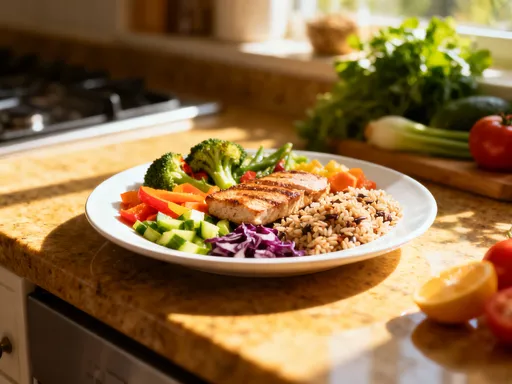
Shifting from elimination to empowerment is essential for long-term success. Rather than focusing solely on what to avoid, building a skin-supportive diet means emphasizing what to include: whole, nutrient-dense foods that nourish from within. Antioxidant-rich fruits and vegetables—especially colorful ones like berries, spinach, carrots, and bell peppers—help neutralize free radicals and reduce oxidative stress. Omega-3 fatty acids, found in fatty fish, chia seeds, and walnuts, lower inflammation and support the skin’s lipid barrier, improving moisture retention and softness.
Hydration is equally critical. Drinking sufficient water throughout the day ensures that skin cells remain plump and functional. Herbal teas, water-rich fruits like cucumber and watermelon, and broths also contribute to fluid intake. A sample day of skin-friendly eating might include: a breakfast of oatmeal topped with blueberries and ground flaxseed; a lunch salad with mixed greens, grilled salmon, avocado, and olive oil dressing; a snack of apple slices with almond butter; and a dinner of quinoa, roasted vegetables, and lentils. This kind of balanced approach provides sustained energy, supports digestion, and delivers the micronutrients essential for glowing skin.
Consistency matters more than perfection. Occasional treats or social drinks don’t negate progress, and rigid restrictions can lead to stress and rebound overeating. The goal is a sustainable pattern that supports both skin and overall health. For persistent skin concerns—such as severe acne, unexplained rashes, or chronic dryness—consulting a healthcare provider or registered dietitian is crucial. These professionals can help identify underlying conditions, such as hormonal imbalances or food sensitivities, and create a personalized plan that goes beyond general advice.
Conclusion
True skin wellness starts in the kitchen—not the cosmetics cabinet. By understanding and adjusting what we eat, we take meaningful control over our skin’s long-term health. It’s not about flawless perfection, but sustainable, informed choices that let your natural glow shine through. Every meal is an opportunity to either support healing or fuel inflammation. When you choose whole foods, minimize processed ingredients, and listen to your body’s responses, you create the internal conditions for clear, resilient, and radiant skin. This is not a quick fix, but a lifelong commitment to self-care that reflects in the way you look and feel every day.