Why Good Sleep Feels Impossible — And What Actually Works
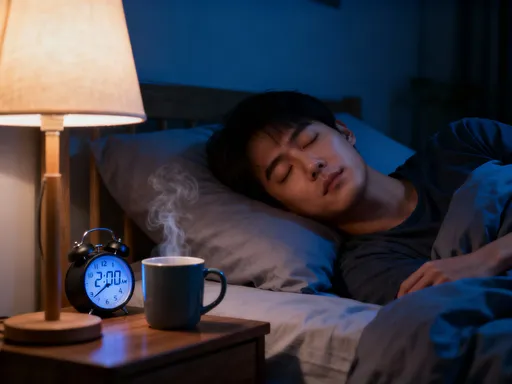
We’ve all been there—tossing and turning at 2 a.m., staring at the ceiling, wondering why sleep won’t come. Poor sleep doesn’t just leave you tired; it affects your mood, focus, and long-term health. I’ve struggled with this too. After years of trial and error, I learned that better sleep isn’t about quick fixes, but consistent habits backed by science. This is what truly changed my nights.
The Hidden Cost of Poor Sleep
Sleep is not just about how many hours you spend in bed. True sleep quality involves depth, continuity, and the ability to feel restored upon waking. Many people believe they are getting enough rest because they sleep seven or eight hours, yet still wake up groggy, unfocused, or emotionally drained. This is often due to fragmented sleep—waking up multiple times without remembering—or a lack of deep, restorative stages. When sleep is disrupted, even slightly, the body does not complete its full repair cycle, which affects every system from brain function to immunity.
Chronic poor sleep has far-reaching consequences that go beyond daytime fatigue. Research shows that individuals who consistently get less than six hours of quality sleep are more likely to experience impaired cognitive performance, including reduced attention span, slower reaction times, and difficulty retaining new information. For women managing busy households, this can mean forgetting important tasks, struggling to keep up with schedules, or feeling mentally overwhelmed during the day. Emotional resilience also takes a hit. The brain’s ability to regulate mood is closely tied to rest, and sleep deprivation is strongly linked to increased irritability, anxiety, and low frustration tolerance—making everyday interactions with family members more challenging.
Real-life scenarios illustrate these impacts clearly. Imagine trying to prepare dinner while your mind feels foggy, or snapping at your children after a night of restless sleep. These moments are not just minor inconveniences—they reflect how deeply sleep influences daily well-being. Over time, poor sleep contributes to long-term health risks, including higher chances of developing metabolic issues such as insulin resistance and weight gain. The immune system also becomes less effective, leaving the body more vulnerable to common illnesses. In essence, sleep is not a luxury; it is a biological necessity that supports physical recovery, mental clarity, and emotional balance.
What Your Body Actually Needs for Deep Sleep
Understanding how sleep works is the first step toward improving it. The body follows a natural sleep-wake cycle known as the circadian rhythm, which operates on a roughly 24-hour schedule. This internal clock is influenced by environmental cues, especially light. When darkness falls, the brain signals the release of melatonin, a hormone that promotes drowsiness and prepares the body for rest. Conversely, exposure to bright light—especially blue light from screens—tells the brain it’s still daytime, delaying melatonin production and pushing back sleep onset.
Sleep itself is made up of repeated cycles, each lasting about 90 minutes and consisting of two main types: non-rapid eye movement (NREM) and rapid eye movement (REM) sleep. NREM sleep has three stages, with the deepest stage—often called slow-wave sleep—being crucial for physical restoration. During this phase, the body repairs tissues, builds bone and muscle, and strengthens the immune system. REM sleep, which occurs later in the night, is when most dreaming happens and is essential for memory consolidation and emotional processing. A full night of rest includes multiple rounds of both NREM and REM, allowing the brain and body to recover fully.
Modern lifestyles often interfere with this delicate process. Irregular bedtimes, late-night screen use, and constant exposure to artificial light confuse the circadian rhythm, making it harder to fall asleep and stay asleep. Working night shifts or frequently changing schedules can be especially disruptive, as they misalign the body’s natural timing. Even weekend “catch-up” sleep can throw off the rhythm, leading to what experts call social jet lag. The result is difficulty falling asleep, waking up too early, or not feeling refreshed despite spending enough time in bed. Recognizing these patterns is key to restoring balance and supporting the body’s innate sleep mechanisms.
The Bedroom Environment Hack Most People Miss
One of the most overlooked aspects of good sleep is the bedroom environment. While many focus on buying expensive pillows or blackout curtains, the real game-changer lies in controlling three key factors: temperature, light, and noise. The ideal room temperature for sleep is around 65°F (18°C). This may feel slightly cool, but it aligns with the body’s natural drop in core temperature that occurs in the evening. When the room is too warm, the body struggles to cool down, which can delay sleep onset and cause restlessness throughout the night. Using breathable bedding, lightweight pajamas, and adjusting the thermostat can make a significant difference.
Light exposure during sleep hours is another silent disruptor. Even small amounts of light—from streetlamps, digital clocks, or phone chargers—can interfere with melatonin production. Complete darkness signals to the brain that it’s safe to rest. Blackout curtains or an eye mask are effective solutions for those living in bright urban areas or sharing a room with someone who uses lights at night. Additionally, removing electronic devices from the bedroom eliminates both light pollution and the temptation to check messages or browse social media, which further delays sleep.
Noise is equally important, especially for light sleepers. Sudden sounds—like a barking dog, a slamming door, or a partner’s snoring—can cause micro-awakenings that fragment sleep without full awareness. White noise machines or fans can help mask these disturbances by creating a consistent background sound. For those sensitive to sound, earplugs or noise-canceling headphones designed for sleep may be beneficial. Beyond these elements, the quality of the mattress and pillows plays a role in comfort and spinal alignment. A worn-out mattress can lead to discomfort, pressure points, and frequent tossing and turning. While replacing it may seem like a big investment, it often pays off in improved sleep quality and reduced morning stiffness.
Your Daily Routine Is Secretly Sabotaging Your Nights
Sleep doesn’t start when you lie down—it’s shaped by everything you do during the day. Common habits such as caffeine consumption, physical activity timing, and screen use have a direct impact on how easily you fall asleep and how deeply you rest. Caffeine, for example, is a powerful stimulant with a half-life of about five to six hours. This means that if you drink a cup of coffee at 3 p.m., roughly half of it is still in your system at 8 or 9 p.m., potentially delaying sleep onset. For women who rely on afternoon coffee to get through household tasks or work deadlines, this can unknowingly sabotage their ability to wind down at night.
Physical activity is generally beneficial for sleep, but the timing matters. Exercising earlier in the day helps regulate the circadian rhythm and reduces stress hormones, promoting better sleep. However, intense workouts too close to bedtime—especially vigorous cardio or strength training—can elevate heart rate and body temperature, making it harder to relax. A late-night yoga session or gentle stretching, on the other hand, can signal the body that it’s time to slow down. Finding the right balance means scheduling more energetic activities in the morning or afternoon and saving calming movements for the evening.
Screen exposure is one of the biggest culprits in modern sleep disruption. Smartphones, tablets, computers, and televisions emit blue light that suppresses melatonin and tricks the brain into thinking it’s still daytime. Scrolling through social media or watching TV in bed extends this exposure right up to sleep time, making it difficult to transition into a restful state. Establishing a digital curfew—turning off screens at least one hour before bed—can significantly improve sleep quality. Replacing screen time with low-stimulation activities like reading a book, listening to soft music, or practicing light stretching creates a smoother transition into rest.
A sample ideal daily rhythm might look like this: waking up at a consistent time each morning, even on weekends; enjoying natural sunlight within the first hour of waking to reset the circadian clock; avoiding caffeine after 2 p.m.; completing moderate exercise by early evening; eating dinner at a reasonable hour; and beginning a calming pre-sleep routine an hour before bed. These small, intentional choices create a foundation that supports natural sleepiness rather than fighting against it.
Mindset and Wind-Down Rituals That Actually Work
For many women, the challenge of falling asleep isn’t physical—it’s mental. The quiet of the night often brings a flood of thoughts: unfinished tasks, worries about family, or replaying conversations from the day. This mental chatter activates the brain’s stress response, increasing cortisol levels and making relaxation difficult. The paradox is that the harder you try to fall asleep, the more elusive it becomes. This creates a cycle of frustration and anxiety that only worsens sleep over time.
Breaking this cycle requires intentional wind-down rituals that signal safety and calm to the brain. One of the most effective tools is breathwork. Simple techniques like diaphragmatic breathing or the 4-7-8 method—inhaling for four seconds, holding for seven, and exhaling slowly for eight—activate the parasympathetic nervous system, which slows the heart rate and promotes relaxation. Practicing this for just five minutes before bed can reduce mental tension and prepare the body for sleep.
Journalling is another powerful practice. Writing down thoughts, to-do lists, or concerns before bed helps clear the mind by externalizing them. Instead of ruminating on tasks, seeing them on paper provides a sense of closure. Gratitude reflection—writing down three positive things from the day—shifts focus away from stress and toward appreciation, which has been shown to improve emotional well-being and sleep quality. Pairing these mental practices with a consistent 30-minute pre-sleep routine enhances their effectiveness. This might include dimming the lights, sipping herbal tea like chamomile, reading a physical book, or listening to calming music. The key is consistency—doing the same sequence every night trains the brain to recognize that it’s time to shift into rest mode.
When to Seek Help — And What to Expect
While lifestyle changes can resolve many sleep issues, there are times when professional support is necessary. Certain signs indicate that poor sleep may be due to an underlying condition that requires evaluation. These include loud or frequent snoring, gasping for air during sleep, excessive daytime sleepiness despite adequate time in bed, or difficulty falling asleep most nights for more than three weeks. These could point to conditions such as obstructive sleep apnea, chronic insomnia, or restless legs syndrome—all of which are treatable but often go undiagnosed.
Seeking help should not be seen as a failure or a sign of weakness. Sleep is a vital part of health, and just as you would visit a doctor for persistent pain or fatigue, it’s equally important to address ongoing sleep problems. A healthcare provider can review your symptoms, medical history, and daily habits to determine whether further assessment is needed. In some cases, a referral to a sleep specialist may be recommended.
One common diagnostic tool is a sleep study, which can be conducted either in a lab or at home using portable equipment. These studies monitor breathing, heart rate, brain activity, and movement during sleep to identify disruptions. The process is non-invasive and designed to be as comfortable as possible. Many people feel anxious about undergoing a sleep study, but understanding its purpose—to gather data and find solutions—can ease concerns. Treatment options vary depending on the diagnosis and may include lifestyle adjustments, breathing devices for sleep apnea, cognitive behavioral therapy for insomnia (CBT-I), or temporary use of sleep medications under medical supervision. The goal is always to restore healthy sleep patterns safely and sustainably.
Building a Sleep Lifestyle, Not Just a Habit
Improving sleep is not about achieving perfection overnight—it’s about building a sustainable lifestyle that prioritizes rest as a core pillar of health, just like nutrition and physical activity. Too often, people approach sleep as something to fix only when it fails, rather than something to nurture daily. But the truth is, small, consistent choices have a cumulative effect. Going to bed 15 minutes earlier, reducing screen time before bed, or creating a calming evening routine may seem minor, but over time, they lead to meaningful improvements in sleep quality and daytime energy.
The journey to better sleep is personal and gradual. What works for one person may not work for another, and that’s okay. The focus should be on progress, not perfection. Some nights will still be restless, and that’s normal. The goal is not to eliminate occasional poor sleep but to reduce its frequency and strengthen the body’s ability to recover. Celebrating small wins—like falling asleep faster, waking up less often, or feeling more alert in the morning—helps reinforce positive changes.
Ultimately, good sleep is a form of self-care. For women who often put their families’ needs first, making time for rest is not selfish—it’s essential. When you sleep well, you have more patience, clarity, and energy to give to those around you. You think more clearly, manage stress better, and feel more emotionally balanced. By treating sleep as a non-negotiable part of daily life, you invest in long-term well-being. It’s not about drastic overhauls or quick fixes, but about making intentional choices that add up over time. Your future well-rested self will thank you.