What I Learned About Eating Right While on Medication – Real Talk
When I started my treatment, no one told me how much food choices could affect my recovery. It wasn’t just about pills—it was about what I ate, when I ate, and how everything mixed. I made mistakes: timing issues, energy crashes, stomach troubles. But over time, I figured out simple, doable eating habits that actually helped me feel better. This isn’t medical advice—always check with your doctor—but this is what worked for me while managing medication and healing at the same time.
The Hidden Problem: How Medications Interact with Food
One of the most overlooked aspects of medical treatment is the way everyday foods can interact with medications. Many people assume that as long as they take their pills on schedule, the rest is secondary. But research shows that certain foods can alter how drugs are absorbed, metabolized, or eliminated from the body. For instance, calcium-rich foods like milk or yogurt can bind with some antibiotics, such as tetracyclines or fluoroquinolones, forming compounds that the body cannot absorb. This means the medication may pass through the system without ever reaching therapeutic levels, reducing its effectiveness and potentially prolonging illness.
Another well-documented example is grapefruit and its effect on a range of medications, including some cholesterol-lowering statins, blood pressure drugs, and certain antidepressants. Grapefruit contains compounds that inhibit an enzyme in the small intestine called CYP3A4, which plays a key role in breaking down many medications. When this enzyme is blocked, drug levels in the bloodstream can rise to unsafe levels, increasing the risk of side effects such as muscle pain, liver damage, or irregular heart rhythms. While not everyone taking these medications needs to avoid grapefruit entirely, the potential for interaction is significant enough that healthcare providers often recommend caution or complete avoidance.
Beyond specific food-drug conflicts, general meal composition and timing can also influence how well a medication works. Some drugs are designed to be taken on an empty stomach to ensure rapid and complete absorption, while others require food to reduce gastrointestinal irritation or enhance uptake. For example, nonsteroidal anti-inflammatory drugs (NSAIDs) like ibuprofen are often recommended with food to protect the stomach lining, whereas thyroid medication like levothyroxine is typically prescribed to be taken 30–60 minutes before breakfast to prevent interference from dietary components like fiber or calcium.
Additionally, medications themselves can cause digestive side effects such as nausea, constipation, or diarrhea, which in turn affect appetite, nutrient absorption, and overall energy. These symptoms can create a cycle where poor eating habits worsen discomfort, making it harder to stick to treatment. Recognizing these interactions is not about fear or rigid restriction—it’s about awareness. Small, informed choices, such as separating dairy from certain antibiotics by a few hours or avoiding grapefruit when on specific medications, can make a meaningful difference in how a person feels and heals.
My Wake-Up Call: A Personal Turning Point
For weeks after starting a new prescription, I followed the dosage instructions exactly. I set phone reminders, kept my pill organizer filled, and never missed a dose. Yet, I still felt exhausted, bloated, and mentally foggy. My energy would dip sharply an hour after eating, and I often experienced stomach discomfort that made daily tasks feel overwhelming. At first, I assumed these were just unavoidable side effects—part of the price of getting better. But when a close friend who had gone through a similar treatment gently asked what I was eating around the time I took my medication, I realized I had never even considered that question.
That conversation sparked a moment of clarity. I began to track my meals and medication times in a simple notebook. Within days, a pattern emerged: I was taking my morning pill with a bowl of yogurt and a glass of orange juice—both of which contained compounds known to interfere with absorption. I was also eating large, heavy dinners late at night, which coincided with the timing of another medication, likely contributing to my digestive distress. None of this was mentioned in the printed instructions, nor had my doctor gone into detail about dietary timing. I had unknowingly been working against my own treatment.
The realization was both frustrating and empowering. Frustrating, because I had spent weeks feeling unwell despite doing everything “right.” Empowering, because it meant I had some control. Healing wasn’t just about handing over responsibility to a prescription—it required active participation. My body wasn’t a passive recipient of medicine; it was a complex system where food, medication, and daily habits either supported or undermined each other. From that point on, I decided to treat nutrition not as a side note, but as a core part of my recovery plan. I didn’t need a perfect diet—just thoughtful, consistent choices that worked with, not against, my treatment.
Principle #1: Timing Matters More Than You Think
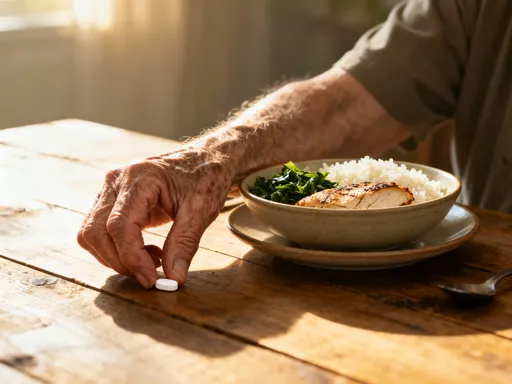
One of the most impactful changes I made was rethinking when I ate in relation to my medication. The concept of timing—how far apart food and pills should be—seems simple, but its effects are profound. Many medications come with instructions to take them “on an empty stomach” or “with food,” but the reasoning behind these directions is often unclear to patients. Understanding the why helped me follow the when with more consistency and less guesswork.
Taking medication on an empty stomach typically means waiting at least 30 to 60 minutes before eating or two hours after a meal. This allows the drug to move quickly into the small intestine, where most absorption occurs, without competition from food particles. For drugs that need rapid and predictable absorption—such as certain antibiotics, osteoporosis medications like alendronate, or thyroid hormone replacements—this timing is crucial. Even a small snack can delay stomach emptying and reduce the drug’s effectiveness, sometimes by as much as 30 to 50 percent in clinical studies.
On the other hand, some medications are best taken with food to minimize irritation or improve absorption. Drugs like metformin for blood sugar control or certain antipsychotics can cause nausea or stomach upset when taken alone. A light meal or snack helps buffer the stomach lining and slows the release of the medication, reducing discomfort. Fat-soluble vitamins and medications, such as vitamin D or certain antifungal drugs, are also better absorbed when taken with a meal that includes some fat, like avocado, olive oil, or nuts.
What helped me most was creating a visual schedule that mapped out my medication times alongside my typical eating windows. I didn’t aim for perfection—some days I was off by 15 minutes, and that was okay. The goal was consistency, not rigidity. Over time, I noticed fewer stomach issues, more stable energy, and a general sense of feeling “lighter.” It wasn’t a dramatic transformation, but a gradual improvement that added up. Timing didn’t replace my medication, but it allowed it to work as intended, without unnecessary interference.
Principle #2: Prioritize Whole, Easy-to-Digest Foods
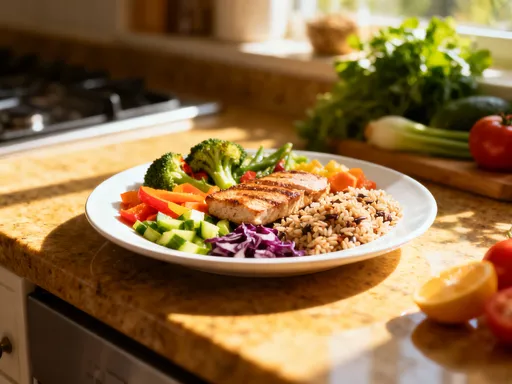
Once I adjusted my timing, I turned my attention to what I was actually eating. I realized that not all calories are equal when your body is under stress from medication. Processed foods high in refined sugars, unhealthy fats, and artificial additives can contribute to inflammation, blood sugar swings, and digestive strain—three things that complicate recovery. Instead, I began focusing on whole, nutrient-dense foods that were gentle on my system and provided steady energy.
Cooked vegetables became a staple. Raw salads sometimes caused bloating, but steamed carrots, zucchini, and spinach were easy to digest and rich in vitamins and antioxidants. I incorporated lean proteins like grilled chicken, baked fish, and boiled eggs, which helped maintain muscle mass and support tissue repair. Complex carbohydrates such as oats, brown rice, and sweet potatoes provided sustained fuel without the crashes associated with sugary snacks. Bananas, in particular, were a game-changer—they were easy to eat when my appetite was low, rich in potassium, and helped regulate digestion, especially when dealing with medication-related constipation or diarrhea.
I also made simple swaps that didn’t require overhauling my entire kitchen. Instead of fried chicken, I chose grilled. Instead of soda or sweetened iced tea, I drank herbal infusions like ginger or chamomile, which soothed my stomach and promoted relaxation. I limited heavily processed convenience foods, not because they were “bad,” but because they often left me feeling sluggish and inflamed. These changes weren’t about dieting or weight loss—they were about giving my body the clean, accessible fuel it needed to heal.
Nutritionists often describe food as information for the body. Every bite sends signals—either supporting repair and balance or adding stress and confusion. During treatment, the body is already working hard. By choosing foods that are easy to break down and rich in essential nutrients, I reduced the workload on my digestive system and allowed more energy to go toward healing. It wasn’t about eating perfectly every day, but about making choices that consistently supported my well-being.
Principle #3: Stay Hydrated, But Be Smart About It
Hydration is often talked about in broad strokes—“drink eight glasses a day”—but during medication treatment, the details matter. Water plays a critical role in metabolizing drugs, flushing out byproducts, and maintaining normal bodily functions. Dehydration can worsen common side effects like dry mouth, fatigue, dizziness, and constipation. Yet, I learned that how and when you drink is just as important as how much.
Early in my treatment, I would gulp a full glass of water right after taking my pills, thinking I was doing the right thing. But I later discovered that drinking large amounts of fluid immediately after certain medications can dilute stomach acid or increase the risk of the pill getting stuck in the esophagus, especially if lying down soon after. This is particularly true for medications like bisphosphonates, which must be taken with a full glass of water while standing or sitting upright, followed by remaining upright for at least 30 minutes to prevent irritation.
Instead of chugging water, I adopted a sipping strategy—drinking small amounts throughout the day. I kept a reusable bottle with me and aimed to refill it two to three times. I used natural cues to guide my intake: pale yellow urine indicated good hydration, while darker shades signaled I needed more fluids. I also incorporated other hydrating options like clear broths, herbal teas, and water infused with cucumber or lemon, which added variety and trace minerals without sugar or caffeine.
Electrolyte balance became another quiet priority. Some medications, especially diuretics or those affecting kidney function, can alter sodium and potassium levels. While I didn’t need supplements, I made sure my diet included natural sources like bananas, spinach, potatoes, and coconut water in moderation. Hydration wasn’t a one-size-fits-all rule, but a dynamic process that responded to my body’s needs, the weather, and my activity level. By staying consistently hydrated in a mindful way, I reduced side effects and supported my body’s natural detoxification pathways.
Principle #4: Listen to Your Body, Not Just the Label
Perhaps the most valuable lesson I learned was the importance of tuning in to my own body’s signals. Medical guidelines and food-drug interaction charts are essential, but they offer general advice based on population averages. My experience, however, was personal and constantly evolving. What worked for someone else might not work for me, and that was okay. The real insight came from paying attention to how I felt after eating, after taking medication, and how those two experiences intersected.
I started a simple daily log where I noted the time I took each medication, what I ate, and how I felt in the hours that followed. I didn’t need a complicated app—just a notebook and a few minutes each evening. Over time, patterns emerged. I noticed that taking a certain pill with a high-fat meal made me feel drowsy, while taking it with a light snack kept my energy stable. I saw that skipping breakfast led to mid-morning nausea, even if I took my medication on time. These small observations gave me a sense of agency. I wasn’t just following instructions—I was learning how my body responded to them.
Listening also meant being kind to myself when things didn’t go perfectly. There were days when I forgot to space my food and pills correctly, or when I craved something processed and gave in. Instead of guilt, I practiced curiosity. How did I feel afterward? Was it worth it? Could I adjust next time? This mindset shift—from perfection to awareness—reduced stress and made the process sustainable. My body wasn’t giving me grades; it was giving me feedback. And that feedback, when respected, became one of my most reliable guides.
Putting It All Together: Small Steps, Big Impact
Looking back, I didn’t transform my health overnight. There was no single breakthrough meal or magic supplement. Instead, recovery came from the slow accumulation of small, intentional choices: taking my pill at the right time, choosing a banana over a cookie, sipping water instead of gulping it, noticing how my stomach felt after dinner. These actions, when repeated consistently, created a foundation that allowed my medication to work more effectively and my body to heal with less resistance.
The synergy between medicine and nutrition became clear. Medication addressed the medical condition, but food provided the raw materials for repair, energy, and resilience. Hydration supported detoxification, timing reduced side effects, and body awareness fostered a sense of control. Together, these elements didn’t replace professional care—they enhanced it. I became an active participant in my treatment, not just a passive recipient.
I also learned to be compassionate with myself. There were days when fatigue made cooking difficult, or when my appetite disappeared entirely. On those days, I focused on simple nourishment—a bowl of soup, a piece of fruit, a cup of broth—rather than aiming for ideal meals. Healing isn’t linear, and neither is eating well. The goal wasn’t perfection, but progress. Each small step, no matter how minor it seemed, was a form of self-care that added up over time.
Managing medication is not just a medical event—it’s a daily practice that involves choices far beyond the pharmacy. What we eat, when we eat, and how we listen to our bodies all influence the journey toward wellness. These principles are not rigid rules, but flexible strategies shaped by real experience. Always consult your healthcare provider, but don’t underestimate the power of mindful eating. When medicine and nutrition work together, healing becomes not just possible, but more sustainable, more balanced, and more within reach.